

Board reporting becomes more impactful when balance sheet classifications tell a clear story. Directors quickly grasp liquidity positions classified balance sheet through current ratios, understand leverage through debt-to-equity calculations, and assess capital allocation efficiency through asset composition analysis. The classification eliminates the need for extensive footnotes or verbal explanations—so you’re next board meeting can go smoothly. In conclusion, the significance of classified balance sheets in the world of business and finance cannot be overstated. Through these classifications, stakeholders can derive comprehensive insights into the company’s operational efficiency, risk level, and financial health, facilitating informed decision-making. In the realm of financial accounting, liabilities represent the obligations of a company, delineating the funds it owes to others.
- Keep in mind, though, that a portion of these long-term debts will be due in the next 12 months.
- XYZ Corp’s classified balance sheet would clearly separate these items, offering a detailed view of its financial status.
- Offers a broad overview of financial position without focusing on the timing of obligations or resources.
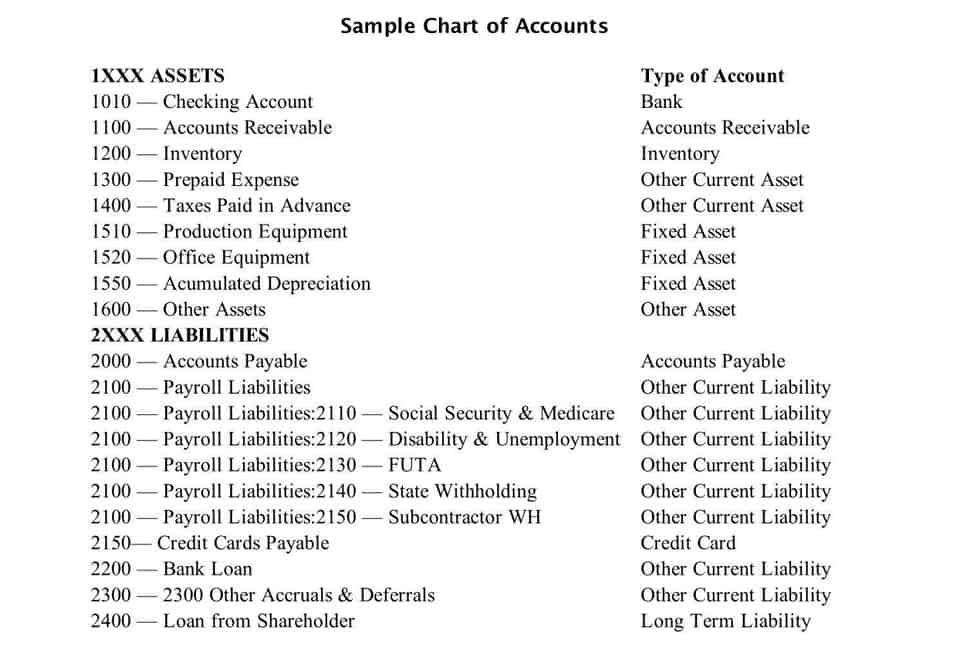
- This more detailed presentation can be useful because it gives you more information about exactly what your company owns and what kind of debt it’s carrying.
- However, overall, current asset items are still relatively more liquid in nature than the fixed assets or intangible assets.
Classify Liabilities into Current and Non-Current
Understanding the differences between classified vs unclassified balance sheets is essential for managing your business’s finances. A classified balance sheet offers detailed insights and clarity, making it ideal for larger businesses and external reporting. An unclassified balance sheet, on the other hand, is simpler and quicker to prepare, suitable for small businesses and internal use. By choosing the right type of balance sheet, you can ensure better financial management and decision-making. Assets and liabilities that are considered off-balance sheet (OBS) assets and liabilities will not appear on a classified balance sheet.
References – The Classified Balance Sheet
This format enhances clarity and allows stakeholders to assess the financial position of a business more effectively. The choice between using a classified or unclassified format depends on the specific needs of the business and the preferences of its financial statement users. A classified balance sheet is a financial statement that organizes a company’s assets, liabilities, and equity into specific categories to provide a clearer view of its financial health. Unlike a simple balance sheet, which lists items in a general manner, the classified https://www.bookstime.com/ version divides them into current and non-current (or long-term) sections. This classification allows for easier analysis of a company’s liquidity, solvency, and overall financial position. The classified balance sheet is an essential tool for both financial reporting and decision-making.
Current Liabilities – The Classified Balance Sheet
Current assets consist of resources Bookkeeping for Startups that will be consumed within a year or the next accounting period. Cash, for example, is considered a current asset because it can be used within the next year. A building, on the other hand, is considered a non-current asset because it will provide benefits to the company for many future years. The first group is called “current assets,” which are things the business plans to use or turn into cash within one year, like the money in the cash register or the supplies in the store.

This reinvestment into the company serves as a crucial source for funding future growth, operational expansion, and debt repayment. Retained earnings can also include accumulated losses, in the case where a company has spent more than it has earned over time. XYZ Corp’s classified balance sheet would clearly separate these items, offering a detailed view of its financial status.